
Introduction: The Growing Challenge of Keeping Drinking Water Cool in a Warming World
As global temperatures rise and more of us live in dense urban spaces, the challenges of keeping drinking water at comfortable, regulation-compliant temperatures are set to increase. The urban heat island effect, which causes localised warming in cities, makes the availability of cool water even more critical for the future. To develop sustainable and effective solutions for cold water distribution, it is crucial to first understand the heat distribution within existing infrastructure.
Stadt Zürich took a multi-layered data approach to evaluate the temperature distribution in and around their drinking water network, collecting data over a span of 1.5 years. Their study investigated the influence of subterranean factors on the heating of water as it moves through the network, using a mix of water quality and soil temperature measurements. Water quality measurements were collected using a combination of Intellitect Intellisonde DIs and custom instrumentation specifically developed to meet Stadt Zürich’s unique installation requirements.
The findings of the project indicate that heat loads above ground do not directly correlate with the water temperature in the network. They also presented a simple model for evaluating solutions to cool the network, such as pipe depth, pipe material, water source switching and insulation. Temperature management in water networks is a layered and complex issue. The work by Stadt Zürich demonstrates the importance of taking a data driven approach to and highlights the need to consider drinking water temperature distribution in future network planning.
Stadt Zürich took a multi-layered data approach to evaluate the temperature distribution in and around their drinking water network, collecting data over a span of 1.5 years. Their study investigated the influence of subterranean factors on the heating of water as it moves through the network, using a mix of water quality and soil temperature measurements. Water quality measurements were collected using a combination of Intellitect Intellisonde DIs and custom instrumentation specifically developed to meet Stadt Zürich’s unique installation requirements.
The findings of the project indicate that heat loads above ground do not directly correlate with the water temperature in the network. They also presented a simple model for evaluating solutions to cool the network, such as pipe depth, pipe material, water source switching and insulation. Temperature management in water networks is a layered and complex issue. The work by Stadt Zürich demonstrates the importance of taking a data driven approach to and highlights the need to consider drinking water temperature distribution in future network planning.
Understanding the Customer’s Challenge
Zurich Water Supply (WVZ) is responsible for supplying first-class drinking water to the city of Zurich and 67 surrounding communities. The network spans more than 1500km, with a maximum delivery capacity of around 500,000 m³/day and average household consumption 160 liters per person per day.1 Like cities all around the world, Zurich is having to contend with rising average annual temperatures and the challenges of delivering cool drinking water to densely developed urban areas. Keeping the tapping point sufficiently cool is key to consumer satisfaction and WVZ are required to supply cold water at no more than 25 °C.
The first step in solving any problem is understanding it; WVZ first needed to measure the temperature of the water in their network to be able to understand its distribution and changes.
The first step in solving any problem is understanding it; WVZ first needed to measure the temperature of the water in their network to be able to understand its distribution and changes.
Combining Solutions: Using Our Core Product and a Custom Adaptation to Solve Customer Challenges
The pilot project made use of Intellitect’s multiparameter direct-insertion water quality sensors, including the Intellisonde DI and custom adaptations of it. The Intellisonde DI is a fully featured water quality and hydraulic measurement device, with 2-minute sampling and GSM data transfer for continuous, real-time monitoring in pipes and flow cells. The parameters logged include temperature, conductivity, pH, redox potential, turbidity, dissolved oxygen, flow and gauge pressure.
The Intellisonde DI is normally installed in flow cells and pipes with pipe diameter >125mm, typically accessible by large, walk-in shafts. At the outset of the project, WVZ already had Intellisonde DIs installed in flow cells within well-shafts, which had been in operation for several years. WVZ aimed to measure data at specific new locations, which were unconventional installation points lacking standard chambers.
Intellitect worked closely with WVZ to adapt instrumentation for their specific needs, enabling installations in mini-shafts in control lines in the roads. Intellitect were able to provide a full suite of measurement tools, complemented by their cloud-based data analytics platform, Insight.
The Intellisonde data was used alongside soil temperature probes, measuring temperature every ten minutes at discrete depths from 0.2 to 2m.
The Intellisonde DI is normally installed in flow cells and pipes with pipe diameter >125mm, typically accessible by large, walk-in shafts. At the outset of the project, WVZ already had Intellisonde DIs installed in flow cells within well-shafts, which had been in operation for several years. WVZ aimed to measure data at specific new locations, which were unconventional installation points lacking standard chambers.
Intellitect worked closely with WVZ to adapt instrumentation for their specific needs, enabling installations in mini-shafts in control lines in the roads. Intellitect were able to provide a full suite of measurement tools, complemented by their cloud-based data analytics platform, Insight.
The Intellisonde data was used alongside soil temperature probes, measuring temperature every ten minutes at discrete depths from 0.2 to 2m.
Pilot Project Overview: Actions Taken and Approach
The researchers conducted a comparison between the main inflow pipeline temperatures in the pilot area and temperatures recorded at other installations. It was observed that during the summer, the water temperature in the wider network was warmer than the main inflow, whereas during the winter, it was cooler than the inflow.
They created a simple model that shows the distance water has to travel through a network before it heats up by 95% of the difference between the initial water temperature and the surrounding soil temperature. The model includes a comparison of materials for the same pipe diameter and was used to review some solutions for the pilot region.
They created a simple model that shows the distance water has to travel through a network before it heats up by 95% of the difference between the initial water temperature and the surrounding soil temperature. The model includes a comparison of materials for the same pipe diameter and was used to review some solutions for the pilot region.
Essential Takeaways
The pilot project provided several important insights into water temperature management in urban networks, emphasising early planning and the value of data-driven approaches. Below is a detailed summary of the key findings:
Heat Load vs. Water Temperature
The heat load at the surface did not always correlate with the temperature of the water in the pipe network. This new information suggests that measures to control the temperature above ground – such as using greenery or changing ground materials – will not significantly affect water temperature in the pipes below. This finding underscores the complexity of heat transfer taking place in urban settings. Both soil and water temperature need to be considered when evaluating sustainable methods for cooling urban spaces and drinking water.
Soil Temperature Influence
Soil temperature data from different depths shows that the daily fluctuations in soil temperature become dampened at increased depth. The soil temperature also dictates the upper limit of the drinking water temperature in the heat of summer. Laying pipes deeper would limit the maximum temperature but is an expensive method and only applicable to future pipe networks.
Pipe Insulation as a Solution
Heat transfer into the water can be reduced significantly with pipe insulation such as PUR coating. There are critical points in a network where insulation could be added for maximum effect. One example would be to use insulation on sections of pipes where there is a long residence time due to low flow velocity.
Pipe Diameter Considerations
There is no one size-fits all recommendation for pipe diameter. Reducing the diameter reduces the surface area over which heat can be transferred, making it harder for water to be heated by the surrounding soil . However, to maintain supply, reducing the diameter requires an increase in flow velocity. A faster flow is more turbulent and better for mixing and heat transfer. The overall impact of these two effects will depend on the volume of water flowing through the pipes and vary over a network.
Lowering Inflow Temperature
Lowering the temperature of the water that enters the network – by changing water sources – is not effective for reducing the temperature of the wider network. The water in the network can warm up over a short distance and cooling effects would only be locally to the main plant. Using the developed model, WVZ has demonstrated why sourcing cooler lake water would not be a viable solution to combat summer overheating in their network.
Heat Load vs. Water Temperature
The heat load at the surface did not always correlate with the temperature of the water in the pipe network. This new information suggests that measures to control the temperature above ground – such as using greenery or changing ground materials – will not significantly affect water temperature in the pipes below. This finding underscores the complexity of heat transfer taking place in urban settings. Both soil and water temperature need to be considered when evaluating sustainable methods for cooling urban spaces and drinking water.
Soil Temperature Influence
Soil temperature data from different depths shows that the daily fluctuations in soil temperature become dampened at increased depth. The soil temperature also dictates the upper limit of the drinking water temperature in the heat of summer. Laying pipes deeper would limit the maximum temperature but is an expensive method and only applicable to future pipe networks.
Pipe Insulation as a Solution
Heat transfer into the water can be reduced significantly with pipe insulation such as PUR coating. There are critical points in a network where insulation could be added for maximum effect. One example would be to use insulation on sections of pipes where there is a long residence time due to low flow velocity.
Pipe Diameter Considerations
There is no one size-fits all recommendation for pipe diameter. Reducing the diameter reduces the surface area over which heat can be transferred, making it harder for water to be heated by the surrounding soil . However, to maintain supply, reducing the diameter requires an increase in flow velocity. A faster flow is more turbulent and better for mixing and heat transfer. The overall impact of these two effects will depend on the volume of water flowing through the pipes and vary over a network.
Lowering Inflow Temperature
Lowering the temperature of the water that enters the network – by changing water sources – is not effective for reducing the temperature of the wider network. The water in the network can warm up over a short distance and cooling effects would only be locally to the main plant. Using the developed model, WVZ has demonstrated why sourcing cooler lake water would not be a viable solution to combat summer overheating in their network.
Broader Implications: Instrumentation and Water Management in a Changing Climate
Zurich Water Supply has taken a proactive approach to understanding their network, providing valuable insights that contribute to the broader search for sustainable solutions. Their data-first approach is a robust way to guard against investment in ineffective measures, ensuring that resources are directed toward strategies that will make real changes. We are proud to have played a role in this pilot study and congratulate WVZ on their exciting work and valuable insights.
Temperature is just one of the water quality parameters that Intellitect can help you monitor, understand and optimize within your network. Explore how our analytics and measurement solutions can support your network at https://intellitect.co.uk/water/
Read the full article at https://www.aquaetgas.ch/wasser/trinkwasser/20230705_ag7_8_wassertemperatur-im-verteilnetz/
References
https://stadt-zuerich.ch/wvz.html
Temperature is just one of the water quality parameters that Intellitect can help you monitor, understand and optimize within your network. Explore how our analytics and measurement solutions can support your network at https://intellitect.co.uk/water/
Read the full article at https://www.aquaetgas.ch/wasser/trinkwasser/20230705_ag7_8_wassertemperatur-im-verteilnetz/
References
https://stadt-zuerich.ch/wvz.html


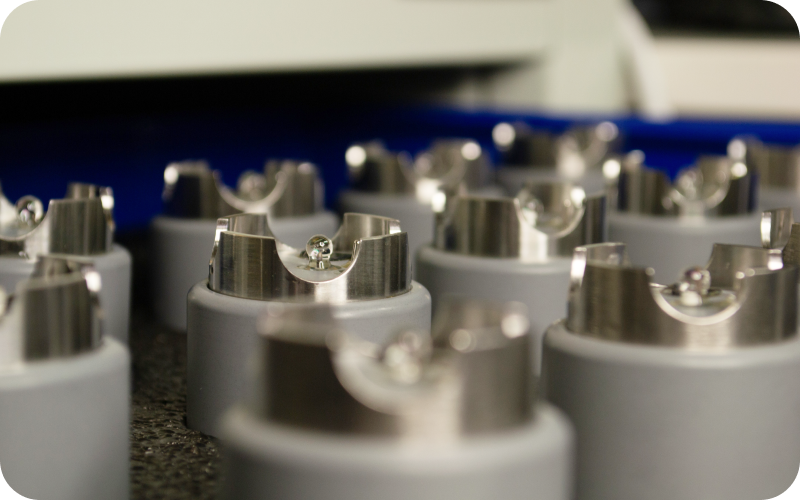
Intellisondes
Take a look at our state of the art Chlorine and Turbidity sensors.
One device. One installation. One maintenance point.
Insight App
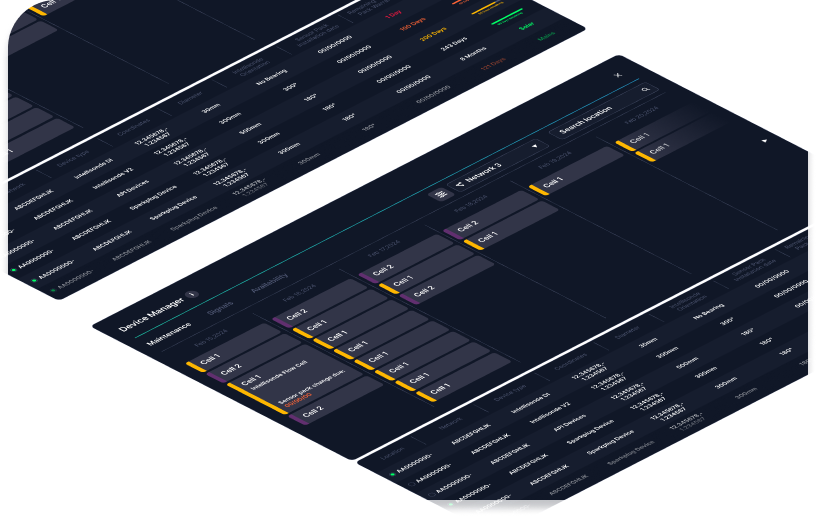
The Intellitect Insight water network management platform allows users to monitor water quality hotspots, event detection, leakage rates and much more.

Our experience with water
We are committed to supporting our customers deliver safe high quality water and making it available everywhere.